SINGLE ORIGIN | LIGHT ROAST
FARM: SMALL HOLDER FARMERS
PRODUCER: LOT 20
ORIGIN: KERICHO COUNTY | KENYA
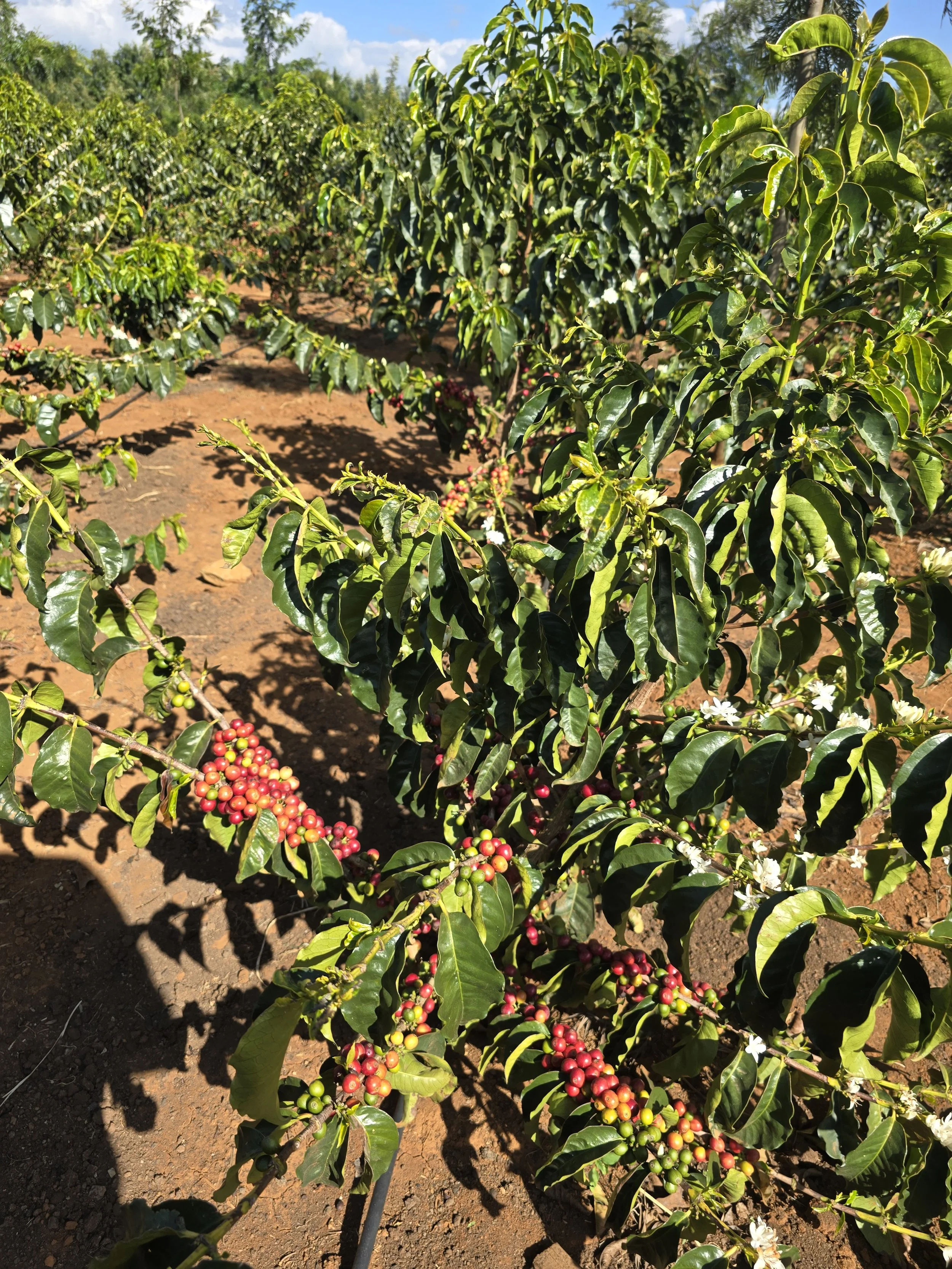
VARIETY: BATIAN, RUIRU 11
PROCESS: KOJI PROCESSED, YEAST FERMENTATION
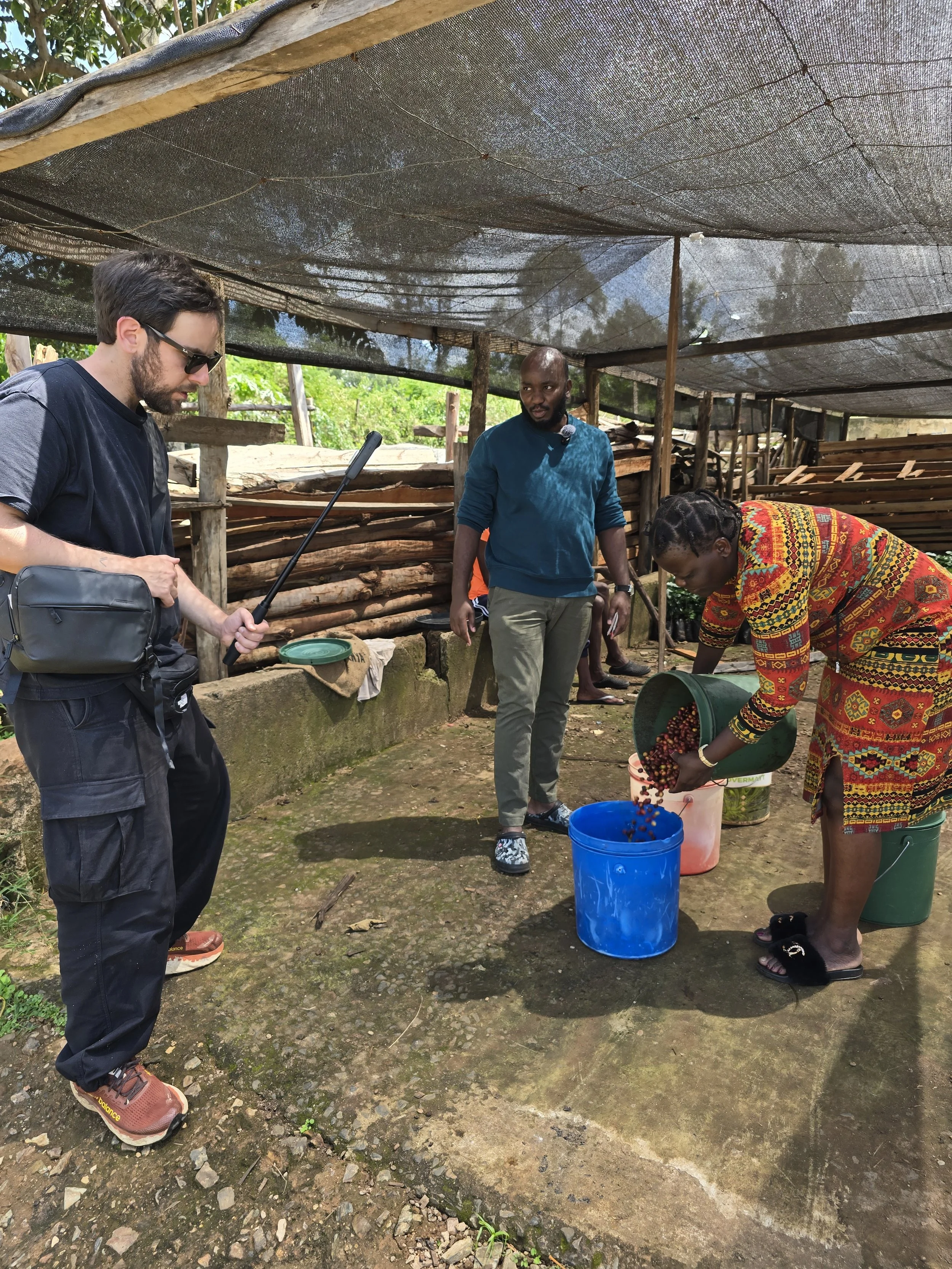
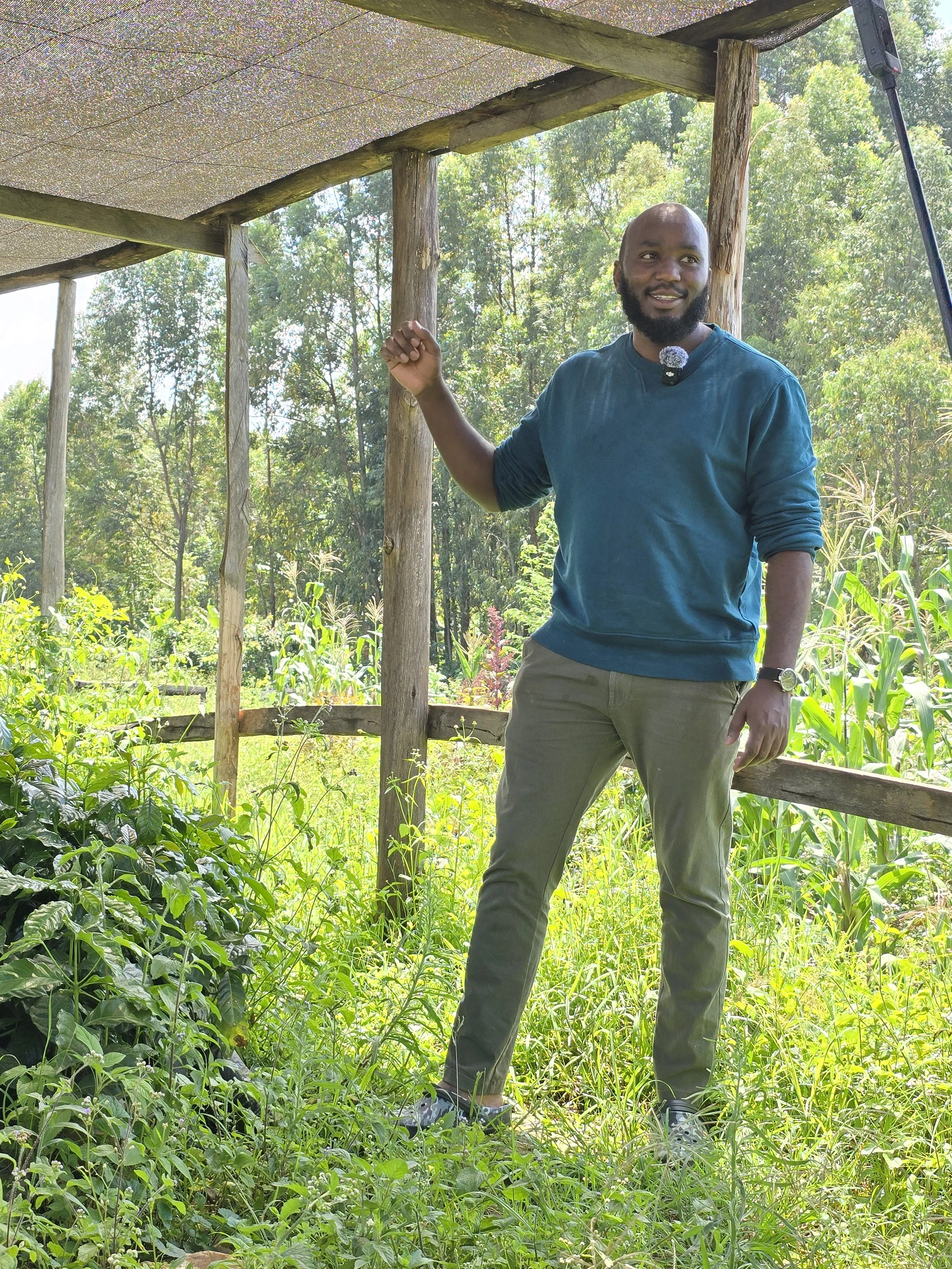
Lot 20 Coffee is a producer-led initiative reshaping the narrative of South Rift coffee. Founded by Sidney Kibet in 2019, the project began as a way to help local farmers organise and trade coffee independently—and has since evolved into a regional hub for cutting-edge processing, agronomy, and market access.
Today, Lot 20 runs a multiple processing centres and nano dry mill —and South of the Rift Coffee, a fermentation lab and innovation center pushing Kenyan
coffee to bold new frontiers.
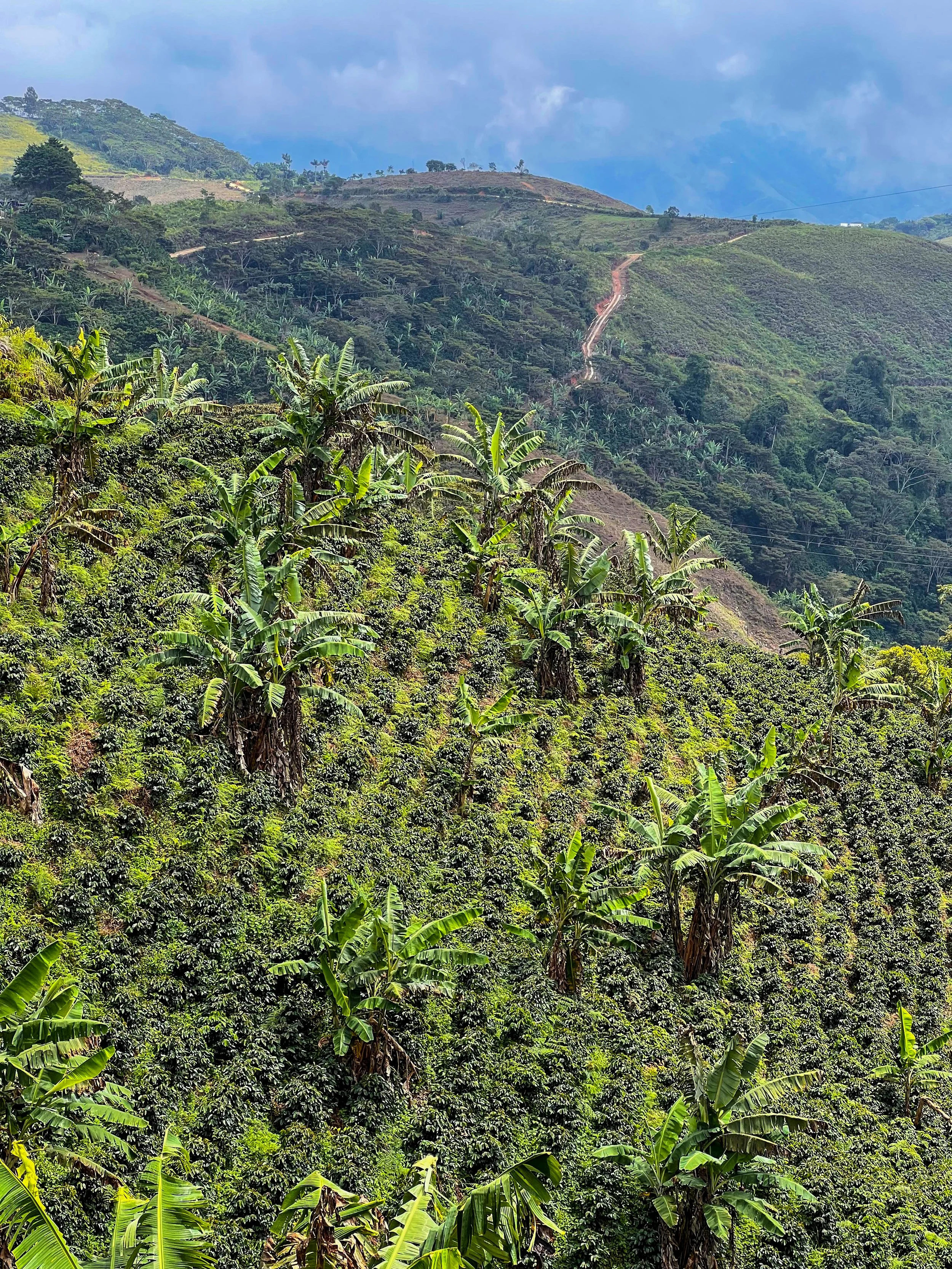
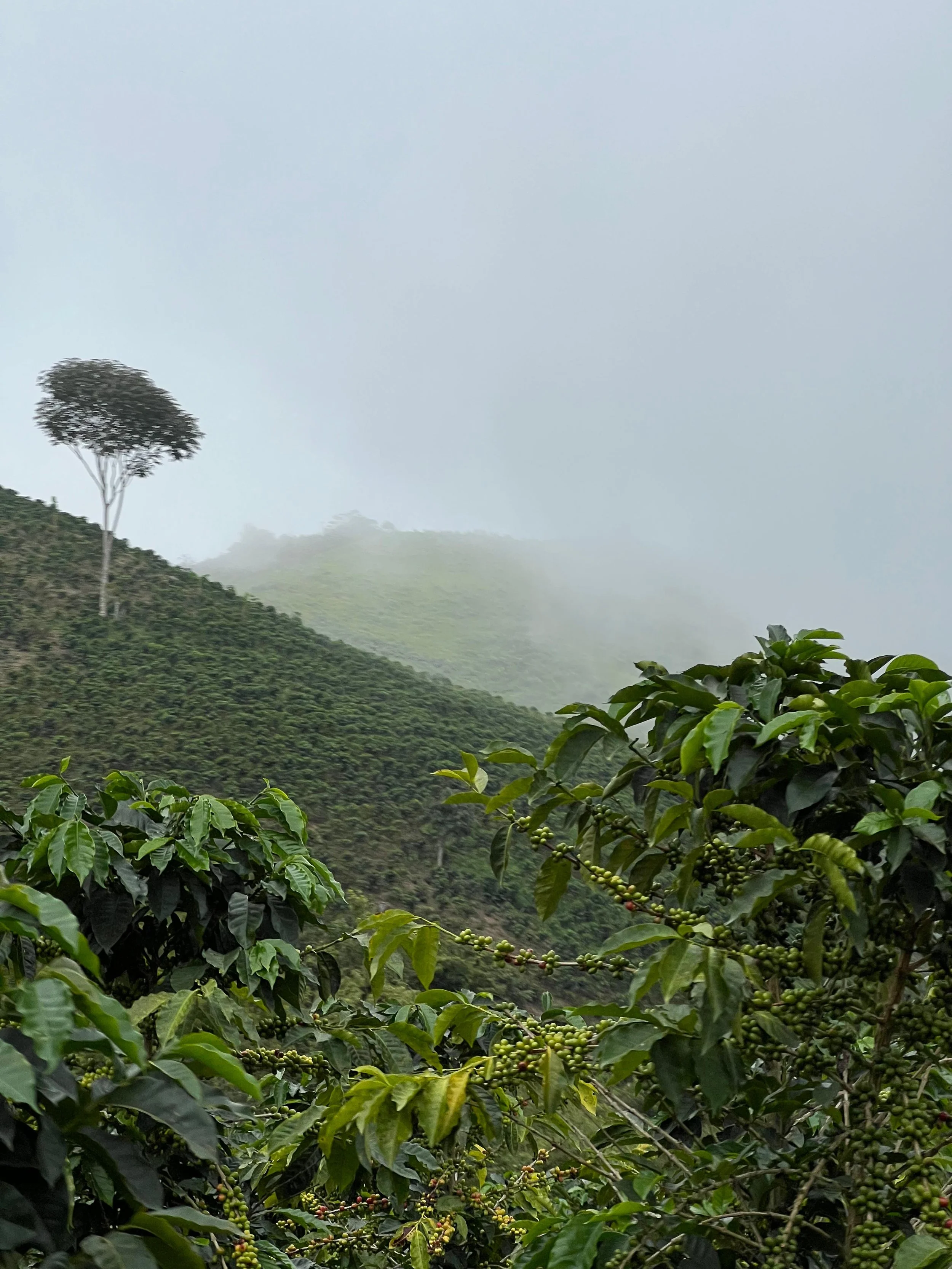
The Southern Rift of Kenya has long been overshadowed by its central Kenya cousins, but its potential is unmatched: elevation, volcanic soils, and unique expression of the Kenyan cultivars and varieties. Lot 20 is on a mission to unlock that potential by investing in quality, transparency, and traceability from the ground up.
If there's one thing Lot 20 is known for, it's their dedication to pushing the boundaries of coffee production to uncover new techniques that will raise the quality, value, and subsequent farmer earnings of their coffee.
As their fermentation lab grows, so too does Lot 20's role as a regional support centre for other farmers and producers. Their tailored services allow for the ability to:
Develop new experimental protocols
Refine and develop standard operating procedures
Improve processing efficiency and quality
Lot 20 work hands-on to design, test, and optimise fermentation methods, whether it's adapting yeast strains to their microclimate or troubleshooting washed coffee inconsistencies. This consulting work has made Lot 20 a trusted technical partner for farmers looking to move up the value chain and reach global specialty buyers.
HOW IT WORKS - YEAST FERMENTATION
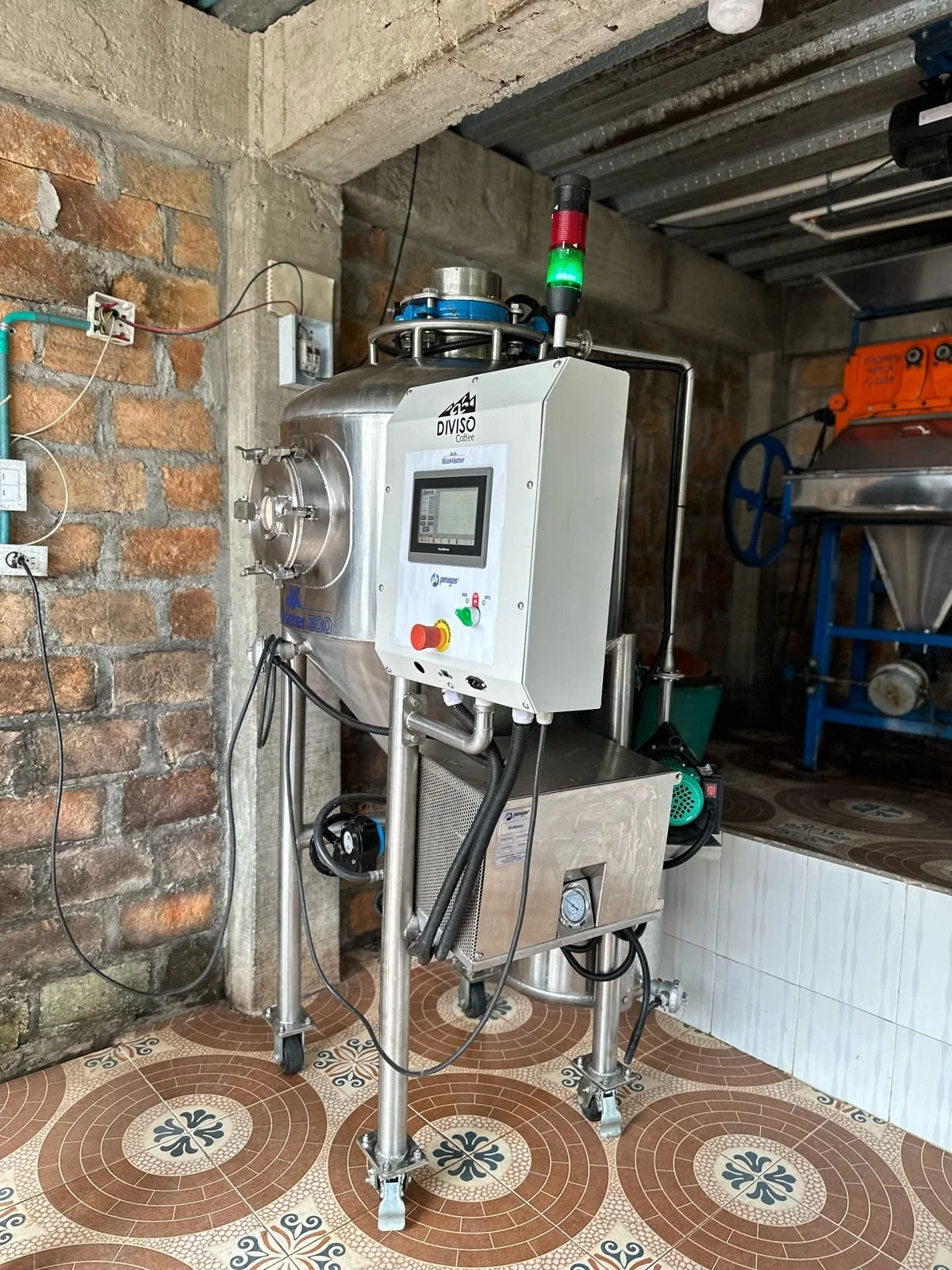
When fresh coffee cherries arrive from the farm, we carefully select only the finest fruit and pack 160 kilograms into each 300-liter barrel. Ava goes to work breaking down the residual starches locked inside the cherry flesh, converting them into fermentable sugars and amino acids. This enzymatic breakdown does something remarkable: it unlocks complex flavour compounds that simply don't emerge through standard processing alone.
THE SCIENCE BEHIND AVA - UNIQUE
Ava operates through enzymatic processes similar to traditional koji cultures used in rice fermentation. However, the critical difference lies in the substrate. Where koji breaks down rice starches to produce umami-forward profiles, Ava works specifically on coffee cherry flesh, generating a completely different spectrum of flavour compounds. Visibly, Ava becomes particularly active during days three and four of fermentation—the final stage of our process—when the white fuzzy growth peaks and the strong fruity aromatics begin to emerge from the barrel.
THE PARTNERSHIP
Once Ava's enzymatic breakdown is underway, native bacteria already present on the cherry skins take over, driving the fermentation deeper and creating even more complexity. It's a symbiotic process—Ava prepares the stage, and the microbial community elevates the performance.
WHAT YOU TASTE
In our cupping and roasting, we consistently find the enzymatic and amino acid work Ava performs translates directly into the cup. The tropical fruit and banana aromatics from fermentation give way to warm, savoury spice notes—clove, cinnamon, chili, and that distinctive Swahili spice character that defines our roasted coffee. It's umami depth combined with complexity, a direct result of the amino acid presence that Ava's fermentation creates.
WHY IT MATTERS
Nearly 60 percent of our barrels are now naturally colonized by this strain, and it's consistent, reliable, and entirely ours. This isn't something you'll find in another coffee-producing region. Ava is our terroir—a living, microbial signature that makes our coffee unmistakably
Lot 20 Coffee was founded by Sidney Kibet in 2019, who moved back to his home of Kericho, Kenya after living in Rwanda and running a coffee export business. Kibet founded Lot 20 with the initial goal of exporting 20 lots of coffee from farmers in Bomet and Kericho counties. Since its establishment, the company has expanded its operations significantly, growing from its original focus in two counties to collaborating with farmers in five: Kericho, Bomet, Nandi, Kisii, and Migori.
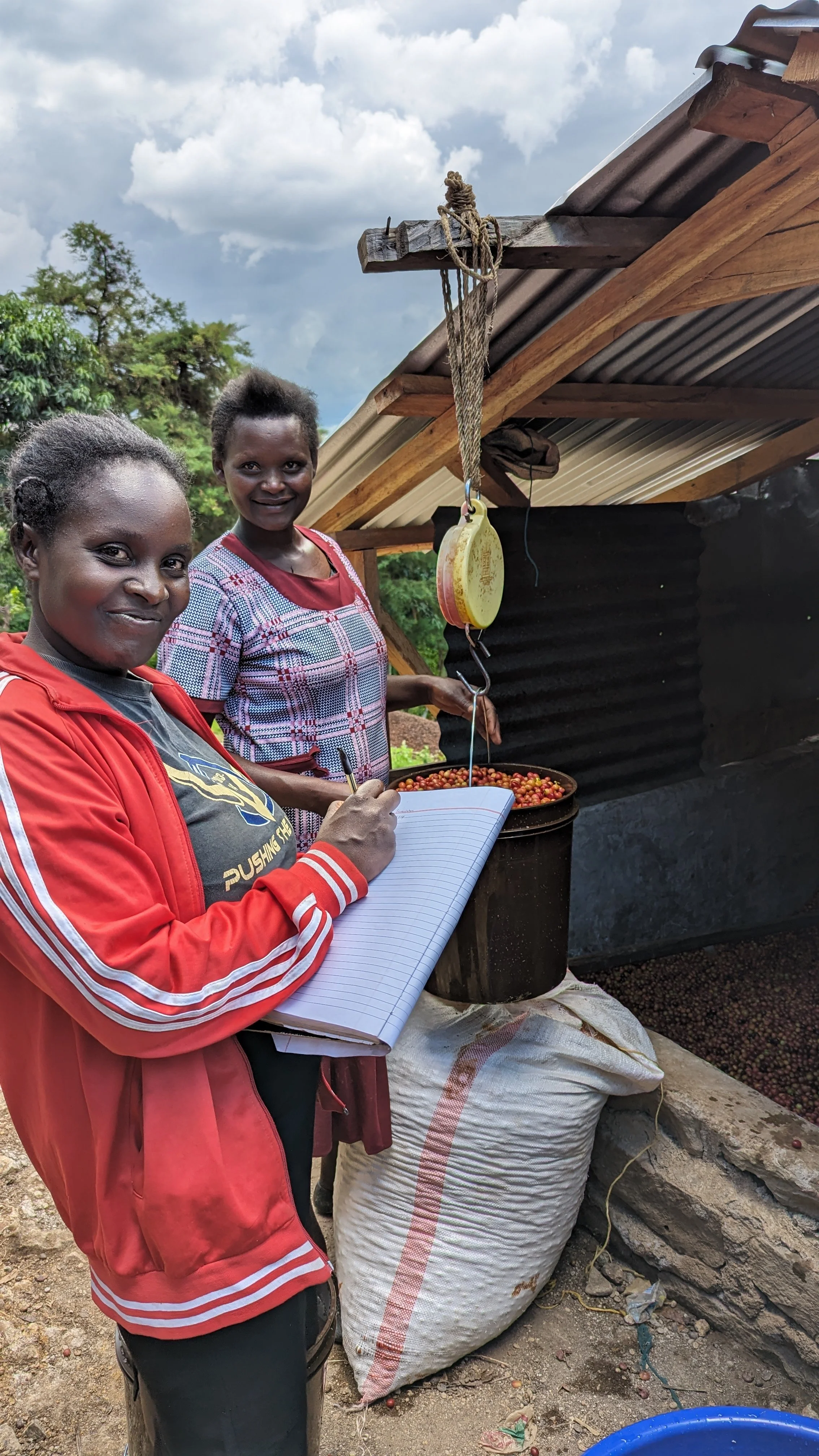
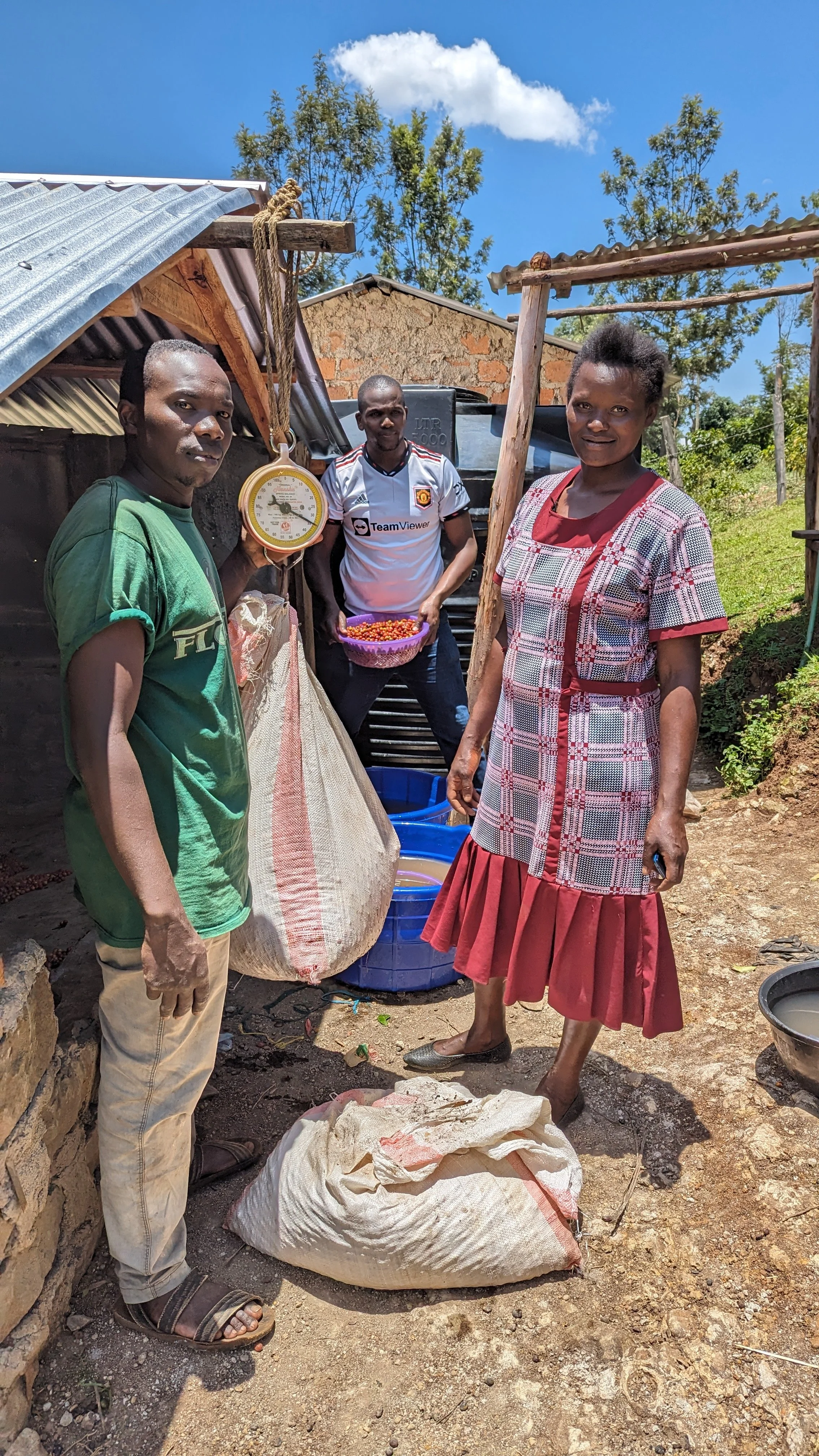
In 2023, Lot 20 opened its own washing station, Metibellion, located in Ainamoi, Kericho, which aims to produce high-quality, experimental coffees. The number of farmers working with Metibellion grew from 29 in the 2023 harvest to 50 in 2024. Lot 20 has also started collaborating with Misadhi, based in Rongo County, which has access to cherries from Kisii, Nyamira, and Migori counties, further expanding their coffee processing capabilities.
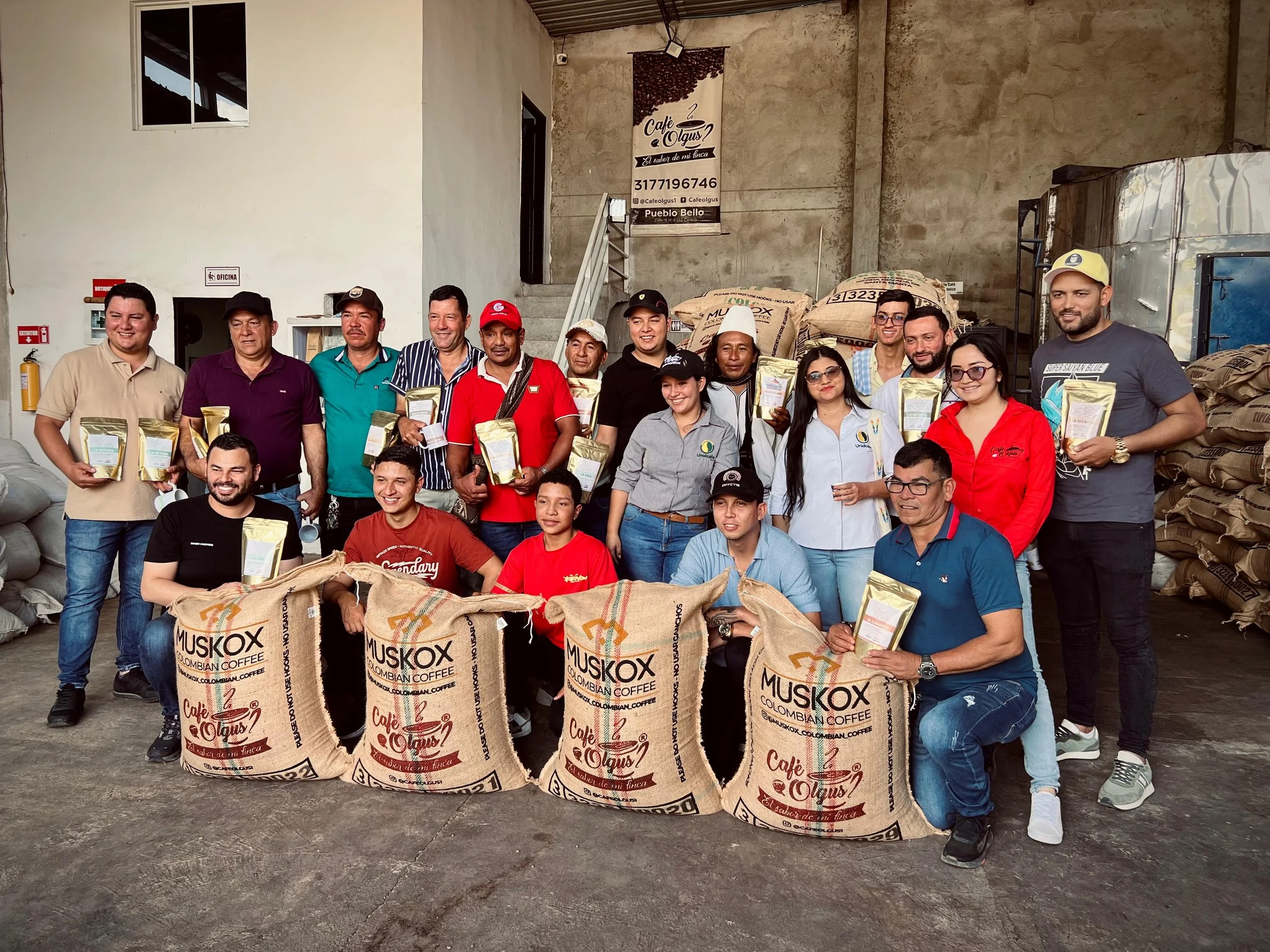
Lot 20 Coffee's mission is centred on improving coffee processing techniques while staying grounded in local communities. By choosing to operate smaller processing facilities in Kericho rather than large, high-tech facilities in Nairobi, Lot 20 aims to keep value within local communities. This grassroots approach supports the local economy and provides employment opportunities, particularly for women, through collaborations like the one with Great Rift Coffee.
The company also seeks to centralise new coffee processing methods in Kericho County. To support this goal, Lot 20 purchased 0.3 acres of land in 2024, where construction of a new world-class processing facility will begin in September. This facility is planned to include a micro decaffeination plant, with a production capacity of 3 tonnes of decaffeinated coffee per season.
Lot 20 Coffee is known for its experimental approach to coffee fermentation. Drawing on Sidney Kibet's experience in brewing cider, Lot 20 applies techniques involving various yeasts, enzymes, and lactic acids to enhance the flavour profiles of its coffee. This has led to the development of the "The Lab" series, where coffee is co-fermented with local fruits, spices, and microorganisms. The aim is not to infuse the coffee with specific fruit flavours but to use these natural materials to unlock new fermentation processes and flavour compounds.
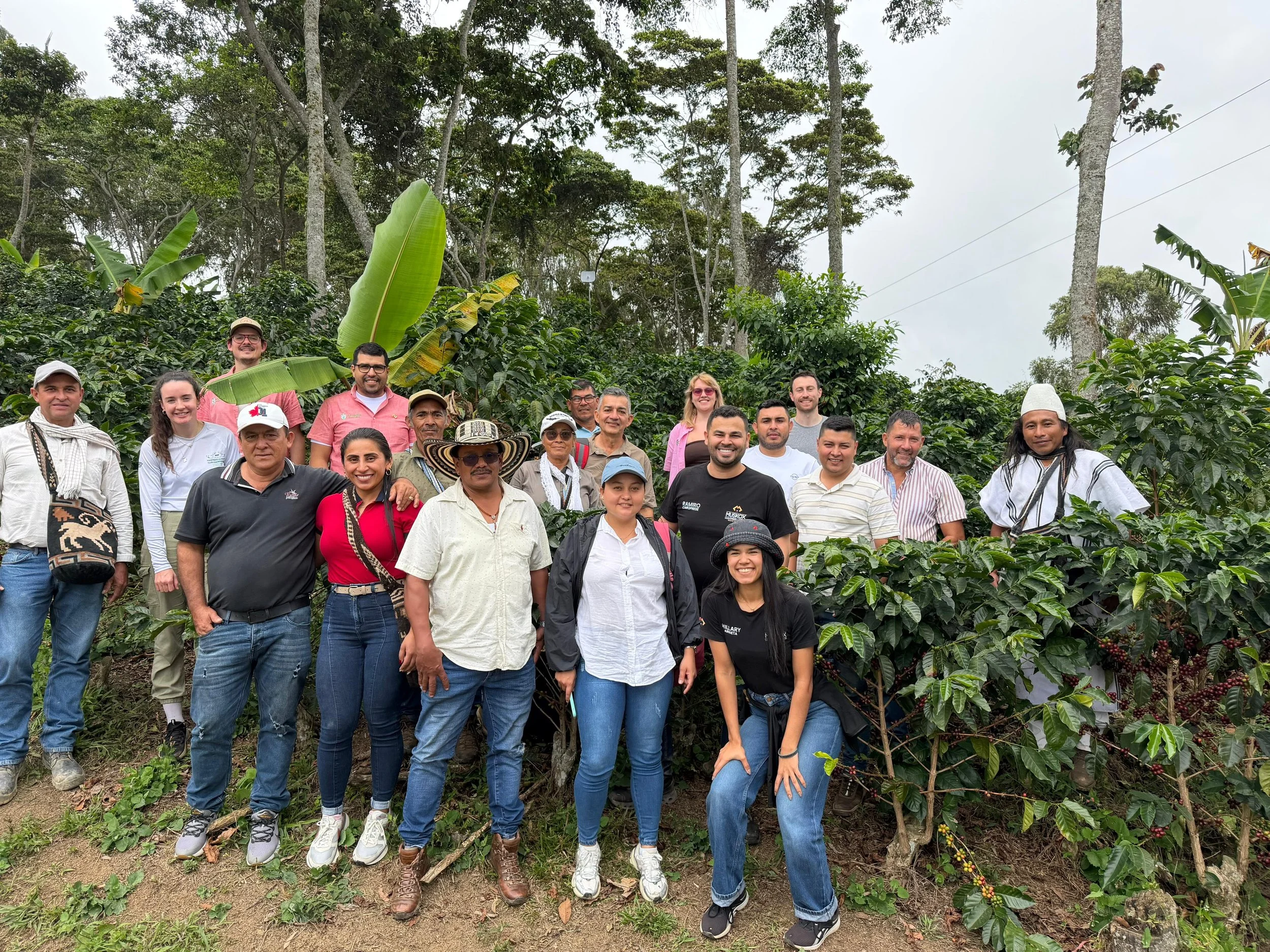
Lot 20 Coffee is deeply committed to supporting local farmers and improving livelihoods. The company ensures that farmers receive premium prices for their cherries, mitigating the financial risks that farmers typically face in the volatile coffee market. This is in contrast to the conventional coffee supply chain in Kenya, where farmers often receive minimal compensation after numerous middlemen take a share of the profits. Lot 20 pays farmers upfront, removing the uncertainty of fluctuating prices.
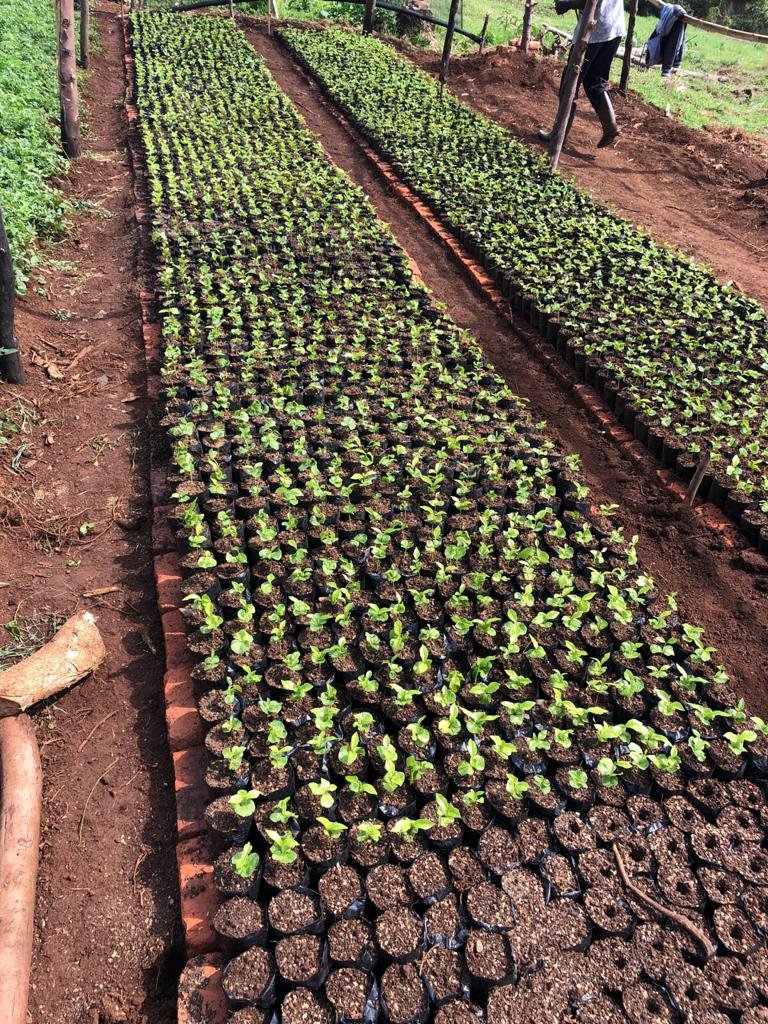
The company also provides farmers with financial literacy training and helps them open bank accounts to manage their income. Additionally, to encourage younger generations to participate in coffee farming, Lot 20 offers quality seedlings from its own nurseries, alongside agronomic support and guidance from older farmers and agronomists.
Lot 20's commitment to local production is exemplified by its practice of purchasing locally grown fruit for its co-fermentation processes. For the 2024 harvest, bananas and pineapples used in the "Funky Banana" and "Boozy Pineapple" lots were all sourced from nearby farms, reinforcing the company’s focus on community-driven production.
SINGLE ORIGIN | LIGHT ROAST
FARM: SMALL HOLDER FARMERS
PRODUCER: LOT 20
ORIGIN: KERICHO COUNTY | KENYA
VARIETY: BATIAN, RUIRU 11
PROCESS: KOJI PROCESSED, YEAST FERMENTATION
Lot 20 Coffee is a producer-led initiative reshaping the narrative of South Rift coffee. Founded by Sidney Kibet in 2019, the project began as a way to help local farmers organise and trade coffee independently—and has since evolved into a regional hub for cutting-edge processing, agronomy, and market access.
Today, Lot 20 runs a multiple processing centres and nano dry mill —and South of the Rift Coffee, a fermentation lab and innovation center pushing Kenyan
coffee to bold new frontiers.
The Southern Rift of Kenya has long been overshadowed by its central Kenya cousins, but its potential is unmatched: elevation, volcanic soils, and unique expression of the Kenyan cultivars and varieties. Lot 20 is on a mission to unlock that potential by investing in quality, transparency, and traceability from the ground up.
If there's one thing Lot 20 is known for, it's their dedication to pushing the boundaries of coffee production to uncover new techniques that will raise the quality, value, and subsequent farmer earnings of their coffee.
As their fermentation lab grows, so too does Lot 20's role as a regional support centre for other farmers and producers. Their tailored services allow for the ability to:
Develop new experimental protocols
Refine and develop standard operating procedures
Improve processing efficiency and quality
Lot 20 work hands-on to design, test, and optimise fermentation methods, whether it's adapting yeast strains to their microclimate or troubleshooting washed coffee inconsistencies. This consulting work has made Lot 20 a trusted technical partner for farmers looking to move up the value chain and reach global specialty buyers.
HOW IT WORKS - YEAST FERMENTATION
When fresh coffee cherries arrive from the farm, we carefully select only the finest fruit and pack 160 kilograms into each 300-liter barrel. Ava goes to work breaking down the residual starches locked inside the cherry flesh, converting them into fermentable sugars and amino acids. This enzymatic breakdown does something remarkable: it unlocks complex flavour compounds that simply don't emerge through standard processing alone.
THE SCIENCE BEHIND AVA - UNIQUE
Ava operates through enzymatic processes similar to traditional koji cultures used in rice fermentation. However, the critical difference lies in the substrate. Where koji breaks down rice starches to produce umami-forward profiles, Ava works specifically on coffee cherry flesh, generating a completely different spectrum of flavour compounds. Visibly, Ava becomes particularly active during days three and four of fermentation—the final stage of our process—when the white fuzzy growth peaks and the strong fruity aromatics begin to emerge from the barrel.
THE PARTNERSHIP
Once Ava's enzymatic breakdown is underway, native bacteria already present on the cherry skins take over, driving the fermentation deeper and creating even more complexity. It's a symbiotic process—Ava prepares the stage, and the microbial community elevates the performance.
WHAT YOU TASTE
In our cupping and roasting, we consistently find the enzymatic and amino acid work Ava performs translates directly into the cup. The tropical fruit and banana aromatics from fermentation give way to warm, savoury spice notes—clove, cinnamon, chili, and that distinctive Swahili spice character that defines our roasted coffee. It's umami depth combined with complexity, a direct result of the amino acid presence that Ava's fermentation creates.
WHY IT MATTERS
Nearly 60 percent of our barrels are now naturally colonized by this strain, and it's consistent, reliable, and entirely ours. This isn't something you'll find in another coffee-producing region. Ava is our terroir—a living, microbial signature that makes our coffee unmistakably
Lot 20 Coffee was founded by Sidney Kibet in 2019, who moved back to his home of Kericho, Kenya after living in Rwanda and running a coffee export business. Kibet founded Lot 20 with the initial goal of exporting 20 lots of coffee from farmers in Bomet and Kericho counties. Since its establishment, the company has expanded its operations significantly, growing from its original focus in two counties to collaborating with farmers in five: Kericho, Bomet, Nandi, Kisii, and Migori.
In 2023, Lot 20 opened its own washing station, Metibellion, located in Ainamoi, Kericho, which aims to produce high-quality, experimental coffees. The number of farmers working with Metibellion grew from 29 in the 2023 harvest to 50 in 2024. Lot 20 has also started collaborating with Misadhi, based in Rongo County, which has access to cherries from Kisii, Nyamira, and Migori counties, further expanding their coffee processing capabilities.
Lot 20 Coffee's mission is centred on improving coffee processing techniques while staying grounded in local communities. By choosing to operate smaller processing facilities in Kericho rather than large, high-tech facilities in Nairobi, Lot 20 aims to keep value within local communities. This grassroots approach supports the local economy and provides employment opportunities, particularly for women, through collaborations like the one with Great Rift Coffee.
The company also seeks to centralise new coffee processing methods in Kericho County. To support this goal, Lot 20 purchased 0.3 acres of land in 2024, where construction of a new world-class processing facility will begin in September. This facility is planned to include a micro decaffeination plant, with a production capacity of 3 tonnes of decaffeinated coffee per season.
Lot 20 Coffee is known for its experimental approach to coffee fermentation. Drawing on Sidney Kibet's experience in brewing cider, Lot 20 applies techniques involving various yeasts, enzymes, and lactic acids to enhance the flavour profiles of its coffee. This has led to the development of the "The Lab" series, where coffee is co-fermented with local fruits, spices, and microorganisms. The aim is not to infuse the coffee with specific fruit flavours but to use these natural materials to unlock new fermentation processes and flavour compounds.
Lot 20 Coffee is deeply committed to supporting local farmers and improving livelihoods. The company ensures that farmers receive premium prices for their cherries, mitigating the financial risks that farmers typically face in the volatile coffee market. This is in contrast to the conventional coffee supply chain in Kenya, where farmers often receive minimal compensation after numerous middlemen take a share of the profits. Lot 20 pays farmers upfront, removing the uncertainty of fluctuating prices.
The company also provides farmers with financial literacy training and helps them open bank accounts to manage their income. Additionally, to encourage younger generations to participate in coffee farming, Lot 20 offers quality seedlings from its own nurseries, alongside agronomic support and guidance from older farmers and agronomists.
Lot 20's commitment to local production is exemplified by its practice of purchasing locally grown fruit for its co-fermentation processes. For the 2024 harvest, bananas and pineapples used in the "Funky Banana" and "Boozy Pineapple" lots were all sourced from nearby farms, reinforcing the company’s focus on community-driven production.